
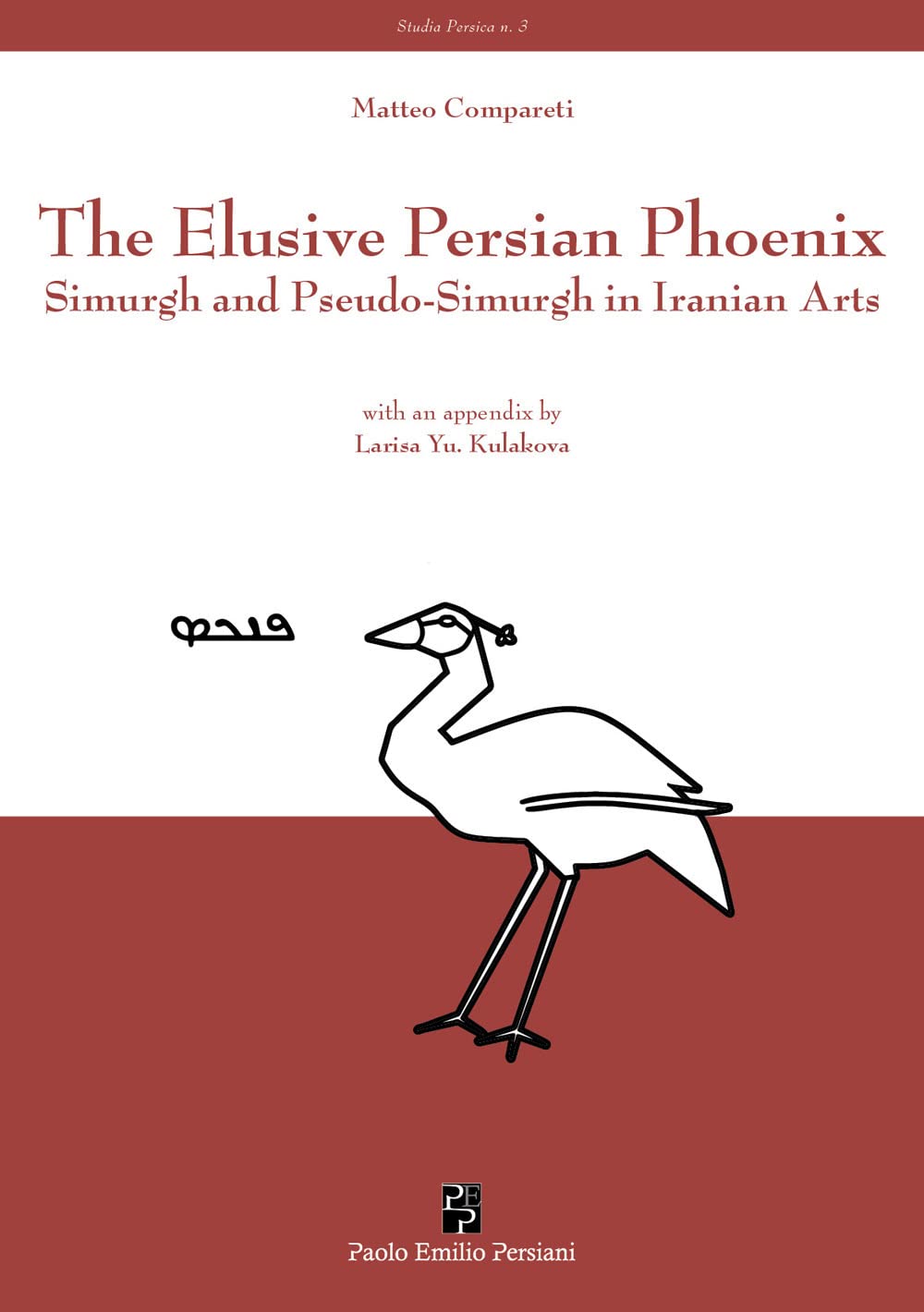
The Elusive Persian Phoenix: Simurgh and pseudo-simurgh in iranian arts Paperback – September 21, 2021
Product details
| Management number | 220484995 | Release Date | 2026/05/03 | List Price | $12.17 | Model Number | 220484995 | ||
|---|---|---|---|---|---|---|---|---|---|
| Category | |||||||||
The reign of the Sasanian Dynasty (224–651 AD) received great attention in the works of Muslim authors who usually referred to this period as the “golden age” of pre-Islamic Persia. It is however worth noting that artifacts incontrovertibly attributable to the Sasanians are not very numerous. Among recent finds of dubious origin, some ongoing archeological excavations uncovered Sasanian coins and seals that in some cases showed fabulous creatures composed of parts of different animals. Starting from the ambiguity of these creatures, some scholars proposed to identify them according to ancient Persian mythology and literature. A composite winged creature with a dog’s head, lion’s paws, and a peacock’s tail that is considered to be typically Sasanian, was said to be the “Iranian phoenix” (Avestan saena marega, Middle Persian senmurv, Farsi simurgh). As it can be observed on seventh century pre-Islamic Central Asian coins, this composite winged creature was quite explicitly associated with the Iranian concept of glory that was imported into Persia at the end of the Sasanian period from a region between modern Afghanistan and Tajikistan. Slightly later that creature started to appear in western arts too, going from the Byzantine Empire and the Islamic Caliphate to whole Europe until the early 13th century.Its exact meaning among Muslims is still a matter of debate although it was definitely considered by Christians as a very appropriate decoration for religious and secular purposes. Eighth century Sogdian mural paintings from Penjikent and Mongol period Islamic book illustrations seem to support the identifications proposed in this study. Read more
| ISBN13 | 979-1259560162 |
|---|---|
| Language | English |
| Publisher | Persiani Editore |
| Dimensions | 5.5 x 0.8 x 8.5 inches |
| Item Weight | 1.12 pounds |
| Print length | 320 pages |
| Publication date | September 21, 2021 |
Bestseller ranking
Criticism




Customers who viewed this product also viewed
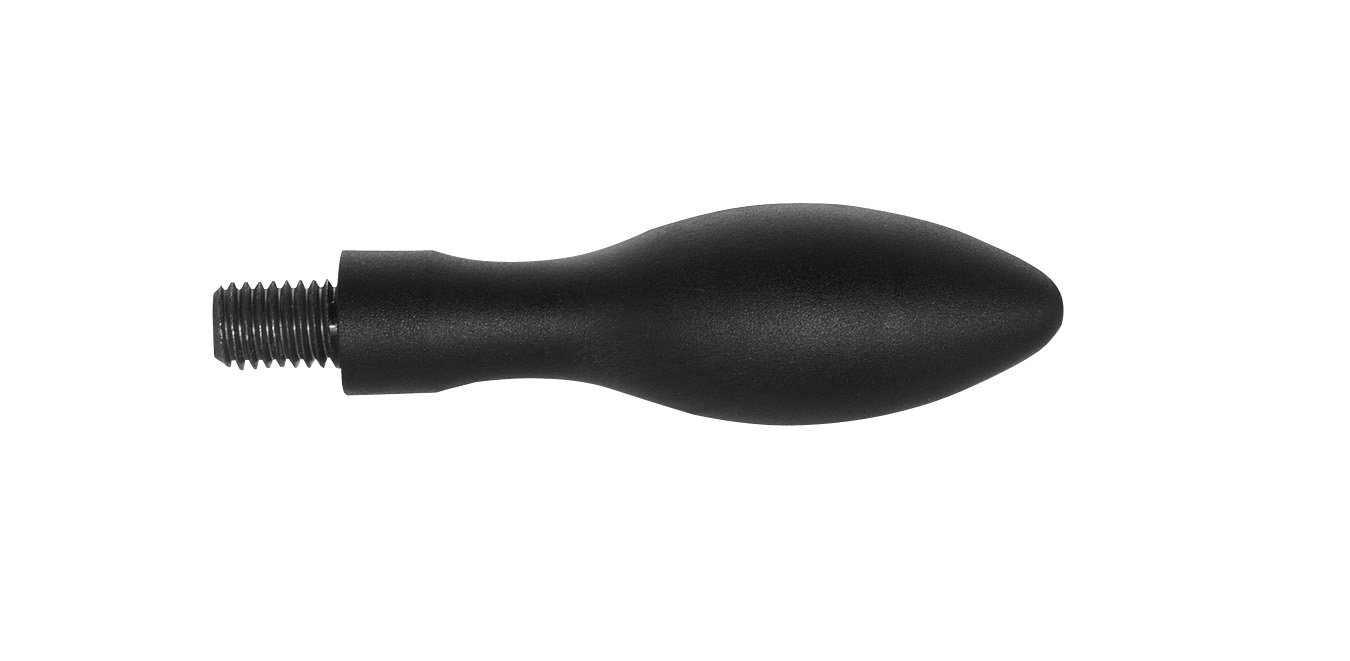
Tapered Handles


Correction of product information
If you notice any omissions or errors in the product information on this page, please use the correction request form below.
Correction Request Form